Exhibition: http://www.moma.org/interactives/exhibitions/2012/centuryofthechild/
Exhibition info: http://www.moma.org/visit/calendar/exhibitions/1239
Catalogue (first pages): http://www.moma.org/docs/explore/cotc.pdf
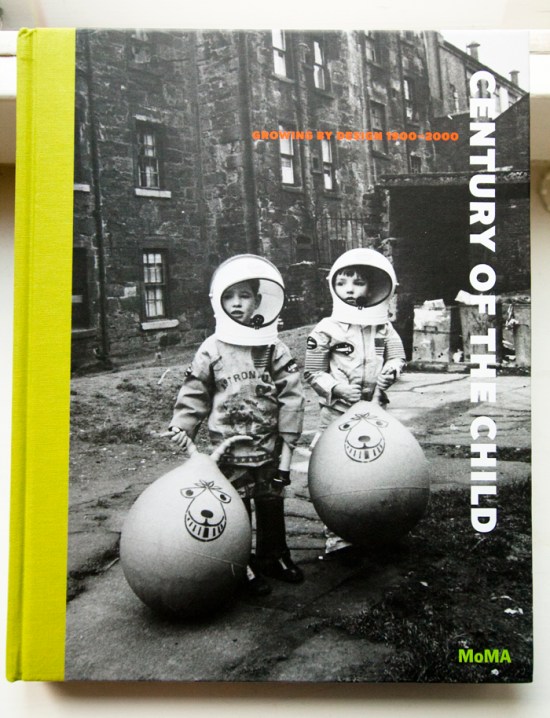
“MoMA’s ambitious survey of 20th century design for children is the first large-scale overview of the modernist preoccupation with children and childhood as a paradigm for progressive design thinking. The exhibition will bring together areas underrepresented in design history and often considered separately, including school architecture, clothing, playgrounds, toys and games, children’s hospitals and safety equipment, nurseries, furniture, and books.
In 1900, Swedish design reformer and social theorist Ellen Key’s book Century of the Child presaged the 20th century as a period of intensified focus and progressive thinking regarding the rights, development, and well-being of children as interests of utmost importance to all society. Taking inspiration from Key—and looking back through the 20th century 100 years after her forecast—this exhibition will examine individual and collective visions for the material world of children, from utopian dreams for the “citizens of the future” to the dark realities of political conflict and exploitation. In this period children have been central to the concerns, ambitions, and activities of modern architects and designers both famous and unsung, and working specifically for children has often provided unique freedom and creativity to the avant-garde.”
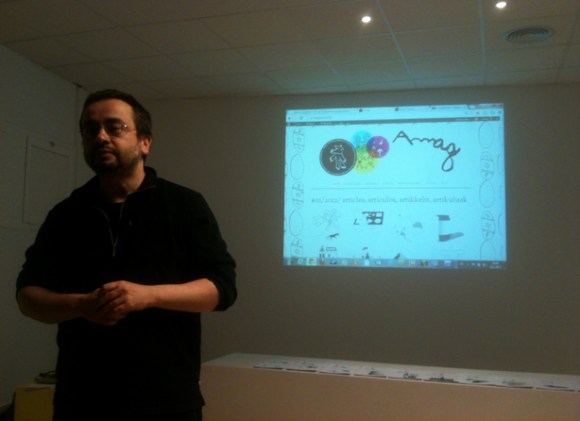
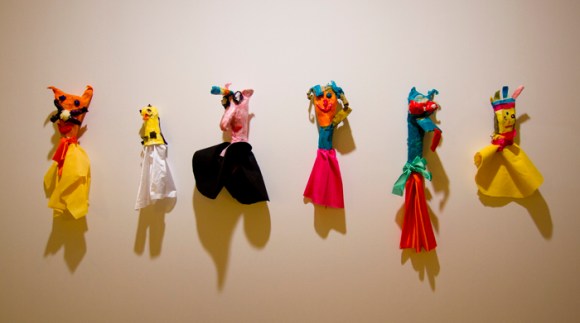
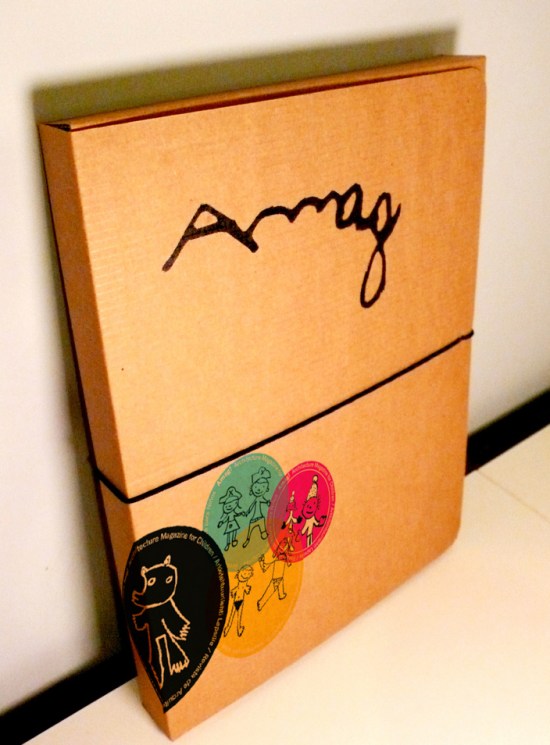

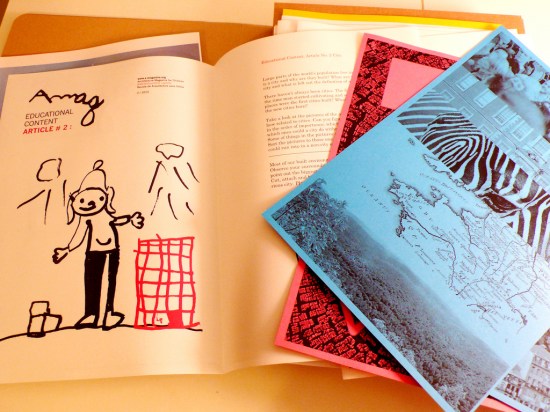
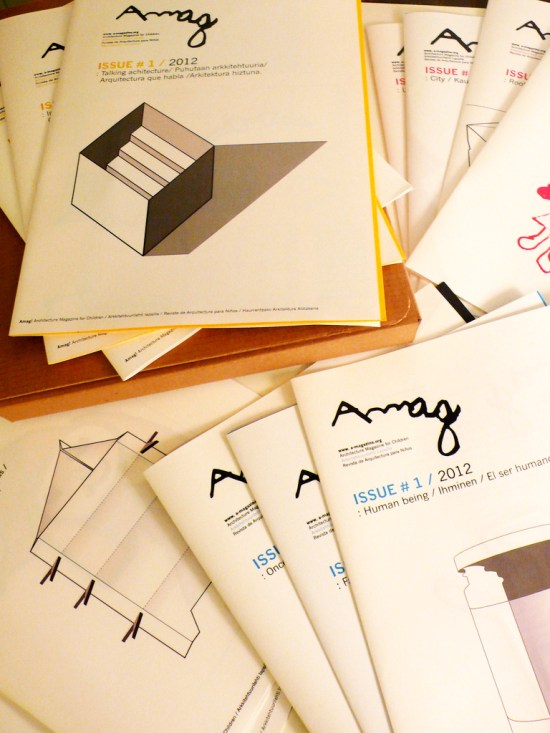
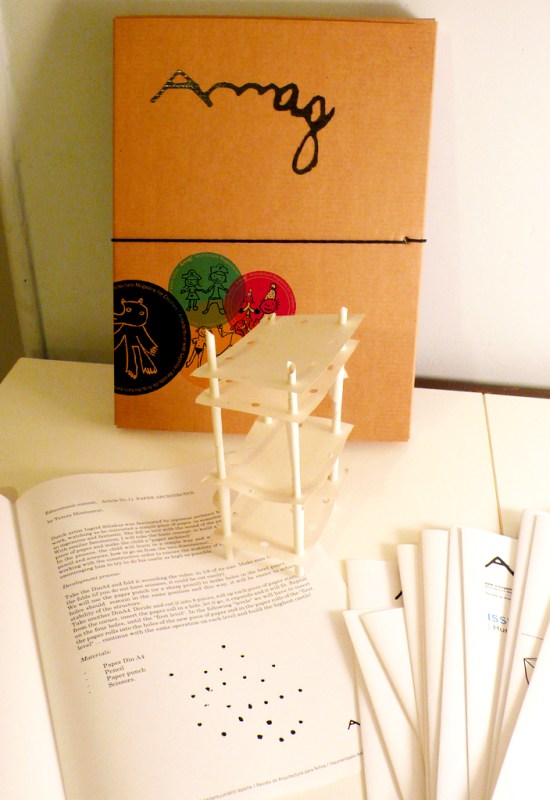


 amag!
amag! 