October 2012. By Suju (http://www.suju.eu/) /Watermelon Cat (http://www.watermeloncat.nl) = Susana Aparicio y Juan Alonso, at ABC Haarlem Centre of Architecture.
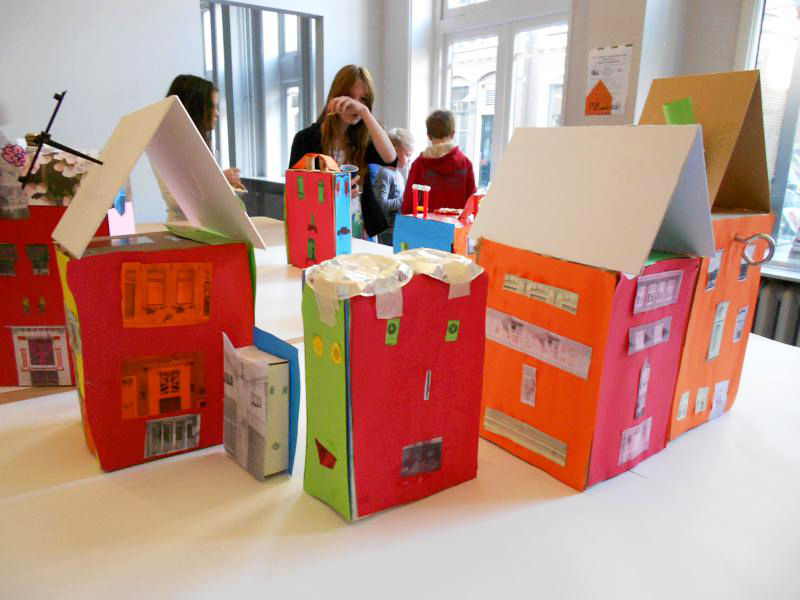
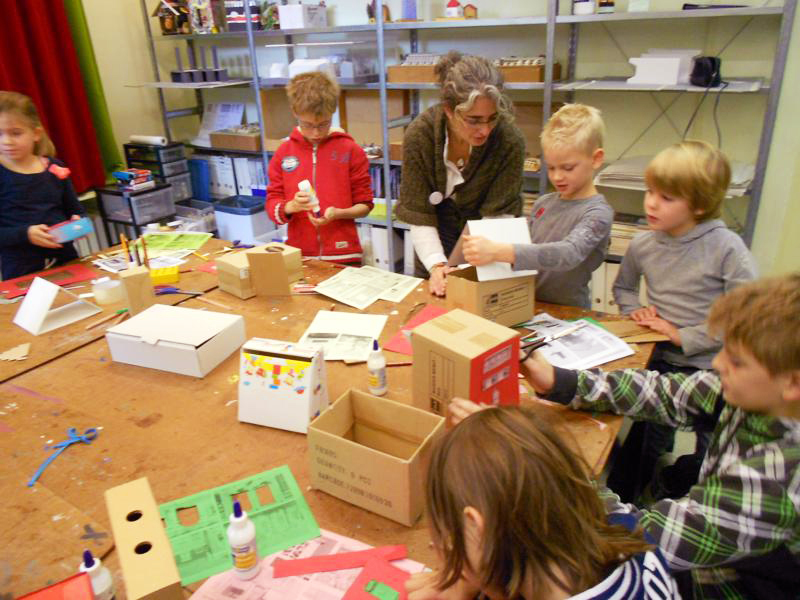
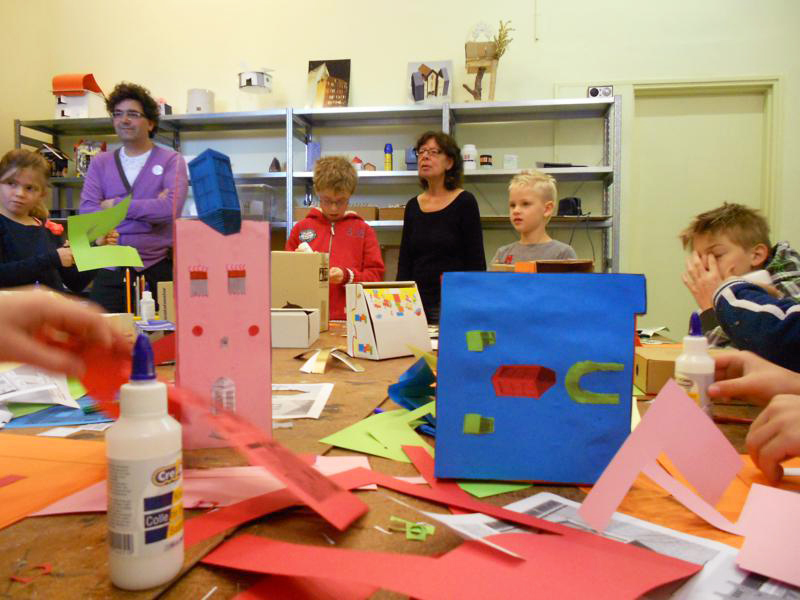
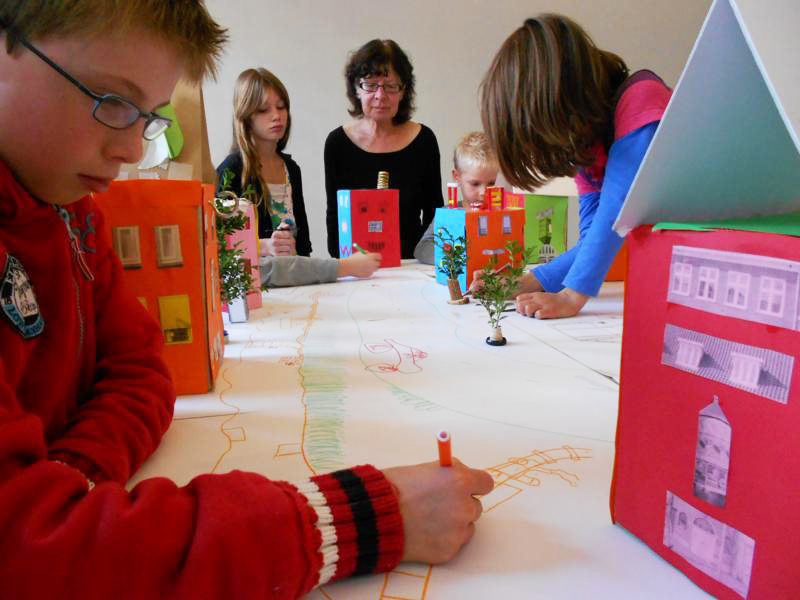
October 2012. By Suju (http://www.suju.eu/) /Watermelon Cat (http://www.watermeloncat.nl) = Susana Aparicio y Juan Alonso, at ABC Haarlem Centre of Architecture.
Exhibition: http://www.moma.org/interactives/exhibitions/2012/centuryofthechild/
Exhibition info: http://www.moma.org/visit/calendar/exhibitions/1239
Catalogue (first pages): http://www.moma.org/docs/explore/cotc.pdf
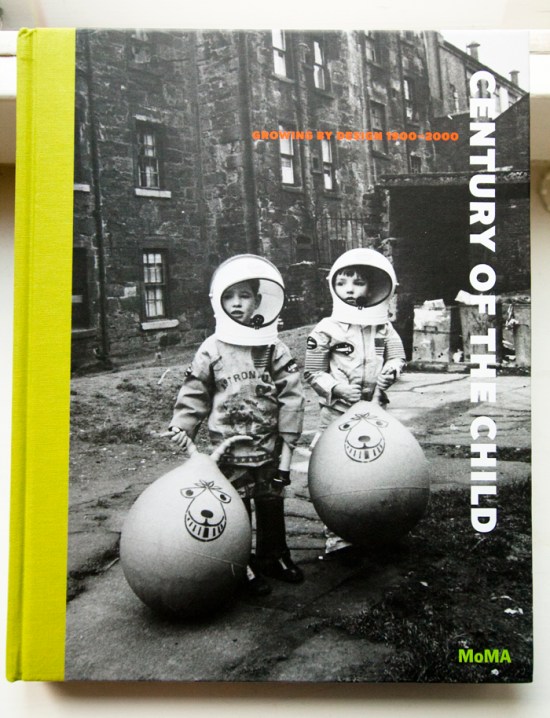
“MoMA’s ambitious survey of 20th century design for children is the first large-scale overview of the modernist preoccupation with children and childhood as a paradigm for progressive design thinking. The exhibition will bring together areas underrepresented in design history and often considered separately, including school architecture, clothing, playgrounds, toys and games, children’s hospitals and safety equipment, nurseries, furniture, and books.
“The Emerging Spatial Mind” edited by Jodie M. Plumert and John P. Spencer.
http://www.oxfordscholarship.com/view/10.1093/acprof:oso/9780195189223.001.0001/acprof-9780195189223
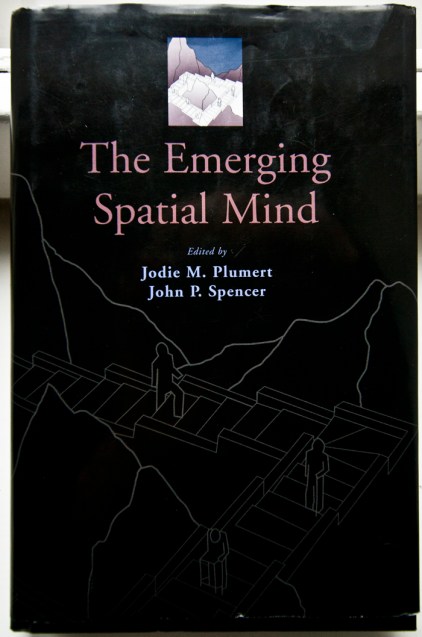
“Human activity and thought is embedded within and richly structured by space. The spatial mind has detailed knowledge of the world that surrounds it—it remembers where objects are, what they are, and how they are arranged relative to one another. It can navigate through spaces to locate and retrieve objects, or it can direct the actions of others through language. It can use maps to find out the way from one city to the next, or it can navigate using a virtual map to locate a missing computer file. But where do these abilities come from? What is the developmental origin of the spatial mind? This book examines how the spatial mind emerges from its humble origins in infancy to its mature, flexible, and skilled adult form. Each chapter presents research and theory that asks the following questions: what changes in spatial cognition occur over development? And how do these changes come about? The book provides conceptual as well as formal theoretical accounts of developmental processes at multiple levels of analysis (e.g. genes, neurons, behaviors, social interactions), providing an overview of general mechanisms of cognitive change. In addition, commentators place these advances in the understanding of spatial cognitive development within the field of spatial cognition more generally. This book sheds light on how the experiences of thinking about and interacting in space through time foster and shape the emerging spatial mind.”
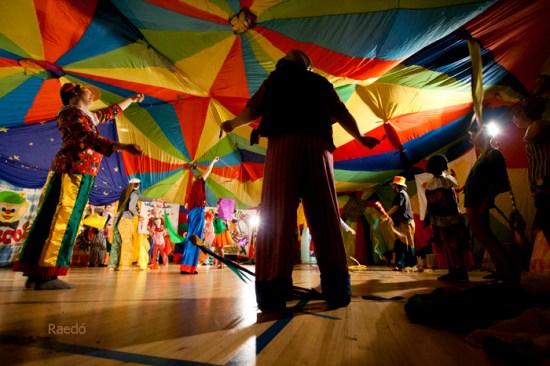
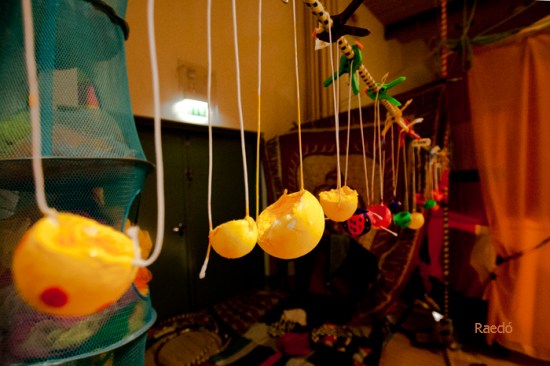
Amag! visited Jyväskylän näkövammaisten koulu (visually impaired children and teens, http://www.jynok.fi/) + Haukkarannan koulu (hearing impaired children and teens, http://www.haukkaranta.fi/). They were one week working with Cirkus Bombastico.
Remember, Amag! article 7 (by Iván Torres) is made with sounds: https://a-magazine.org/art-07-talking-architecture-arquitectura-que-habla/

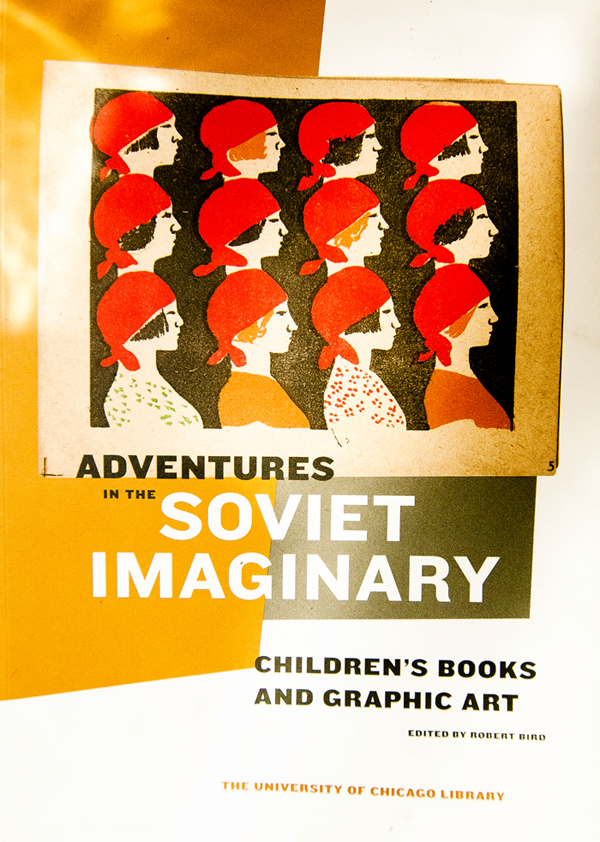
“Adventures in the Soviet Imaginary. Children´s books and graphic art” Edited by Robert Bird. Catalogue of the exhibition held in Special Collections Research Center, Exhibition Gallery The University of Chicago Library_August 22, 2011- December 30, 2011.
Excellent website about the exhibition: http://www.lib.uchicago.edu/e/webexhibits/sovietchildrensbooks/
Amag! learns from these books, mainly with do-it-yourself books… “Compared to other children’s books, do-it-yourself books often encouraged young children to view themselves as responsible adults and engaged citizens.”
1/ Cover catalogue
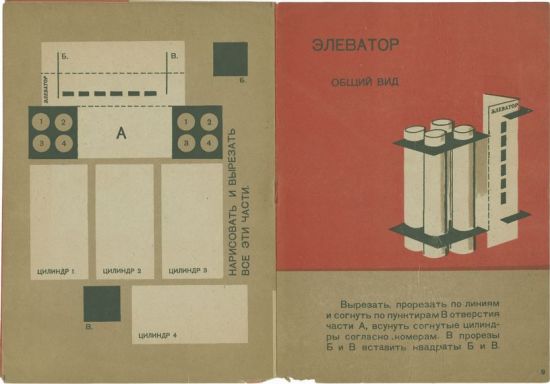
2/ This book shows how to make models of various industrial buildings out of cardboard. This page gives instructions for making a cardboard grain elevator.
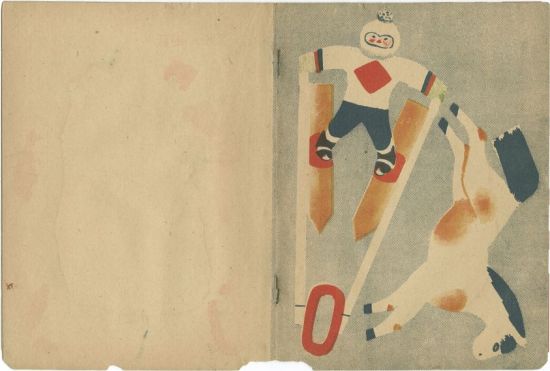
3/ This book consists of paper dolls and toys that children can cut out and assemble at home.
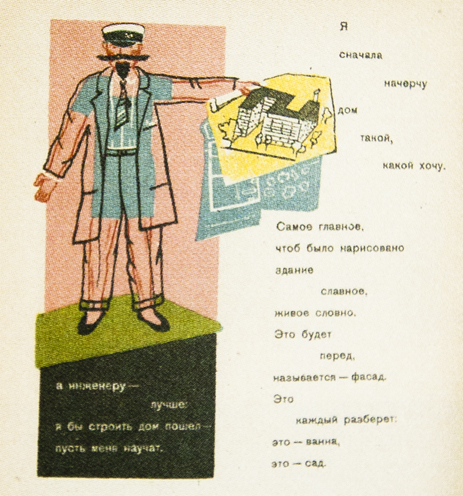
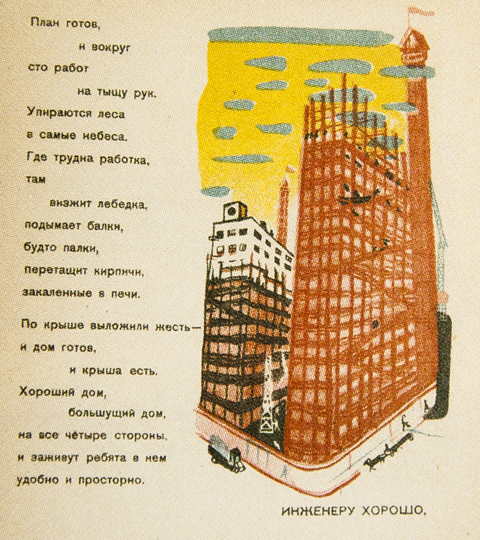
4, 5/ Vladimir Mayakovsky. Kem byt’? (Whom Shall I Be?). Illus. by Nisson Abramovich Shifrin. Moscow: OGIZ, Molodaia gvardiia, 1932. 4th ed.
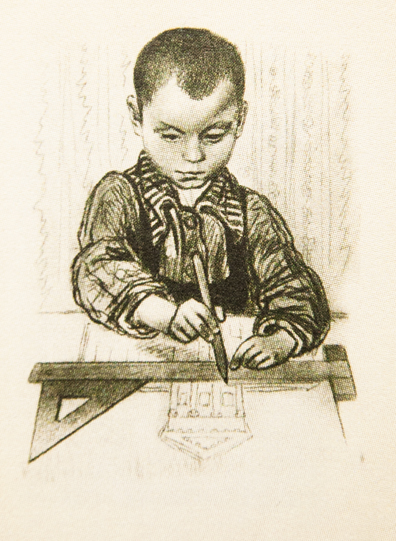
6/ Vladimir Mayakovsky. Kem byt’? (Whom Shall I Be?). Illus. by A. Pakhomov. Moscow, Leningrad: Gosudarstvennoe izdatel’stvo detskoi literatury, 1947.
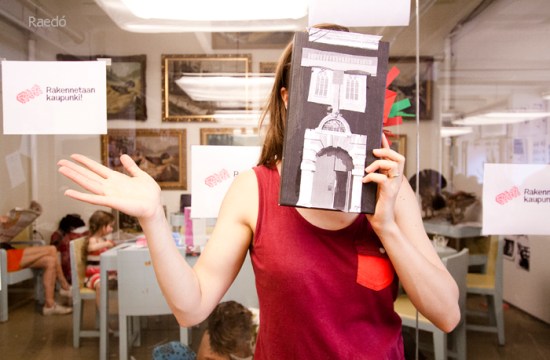
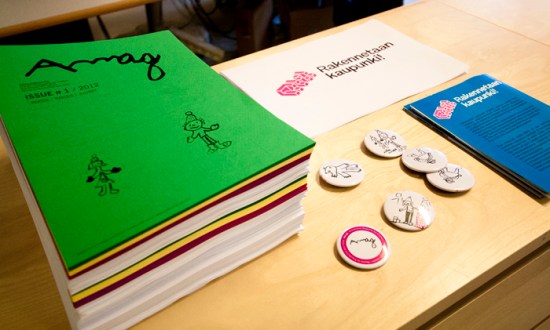
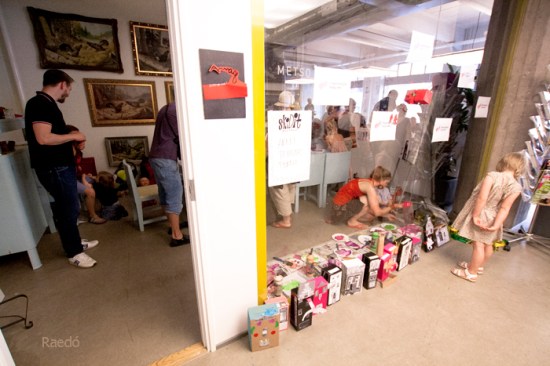
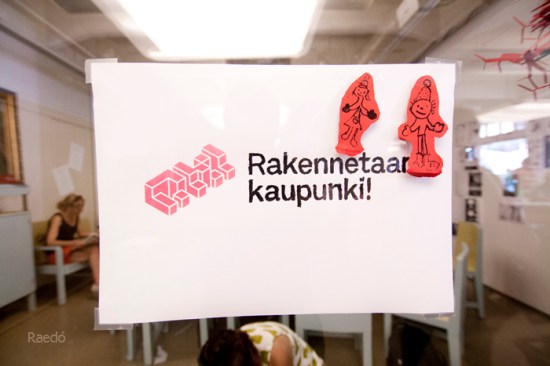
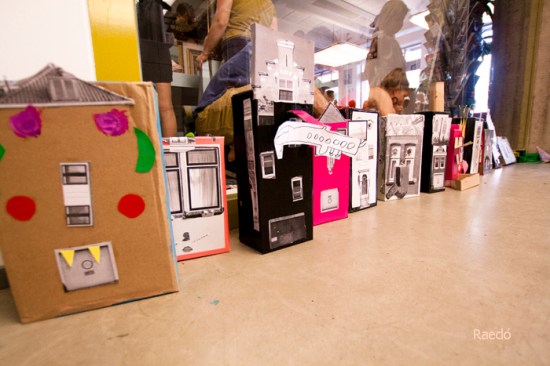
“Rakennetaan kaupunki!” presented “Amag! Architecture Magazine for Children” at Skidit Festarit_Helsinki (Finland), July 29th 2012. Maria Nordin and Jorge Raedó led the workshop. www.rakennetaankaupunki.fi , www.skiditfestarit.fi
“Rakennetaan kaupunki! / Building the city!” is a children’s architecture opera premiering in March 2012. Opera performers, set and costume designers are Kaisaniemi Primary School 4th graders. The project is done in collaboration with the Museum of Finnish Architecture of and is part of the Helsinki World Design Capital year 2012. The new opera production will be in Seinäjoki; Premiere in April 2013.
 amag!
amag! 