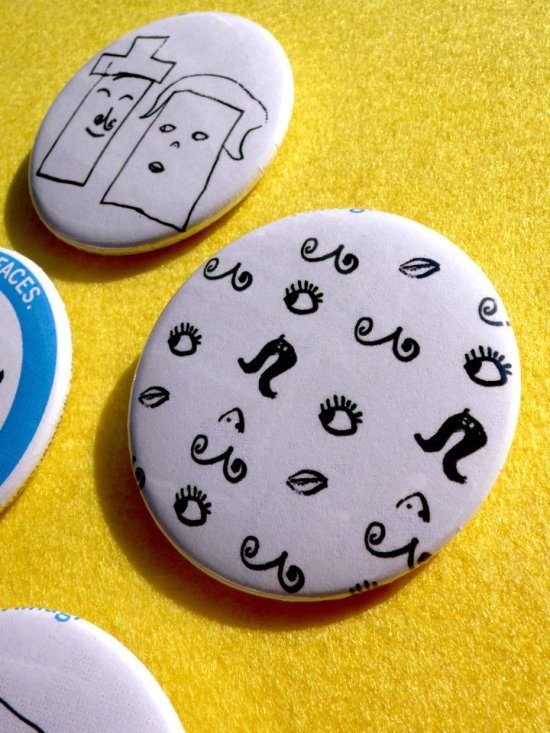
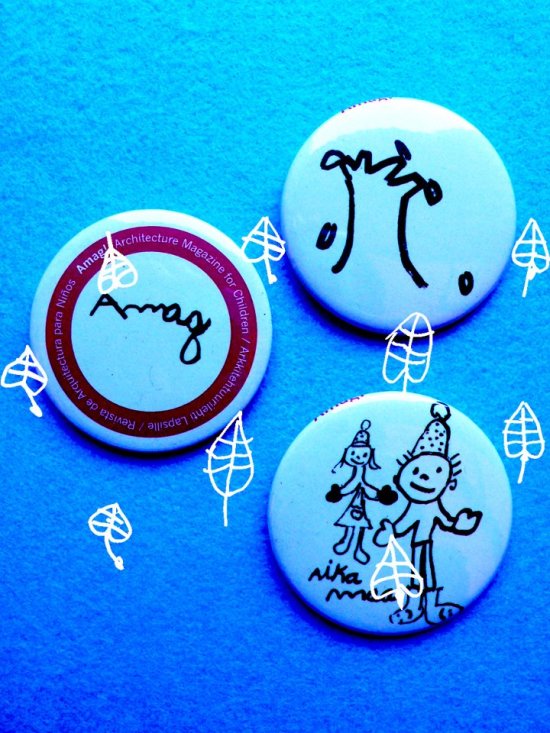
Jyväskylän näkövammaisten koulu, Haukkarannan koulu (Jyväskylä, Finland)

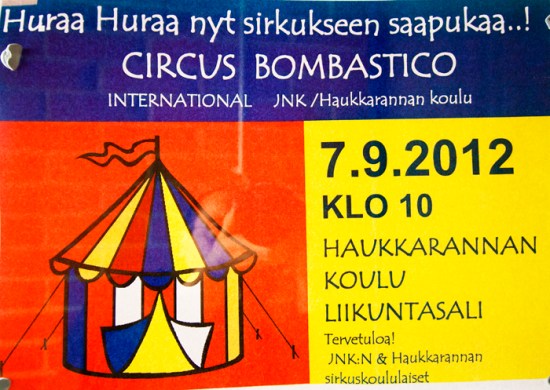
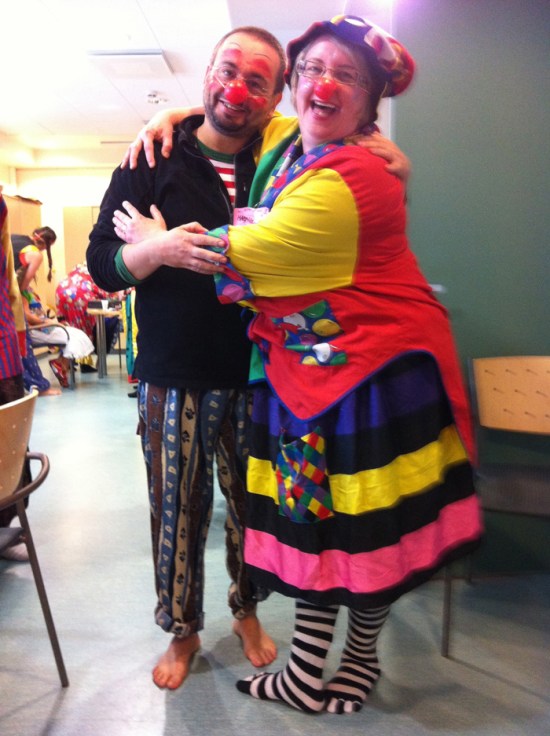
Amag! visited Jyväskylän näkövammaisten koulu (visually impaired children and teens, http://www.jynok.fi/) + Haukkarannan koulu (hearing impaired children and teens, http://www.haukkaranta.fi/). They were one week working with Cirkus Bombastico.

Remember, Amag! article 7 (by Iván Torres) is made with sounds: https://a-magazine.org/art-07-talking-architecture-arquitectura-que-habla/

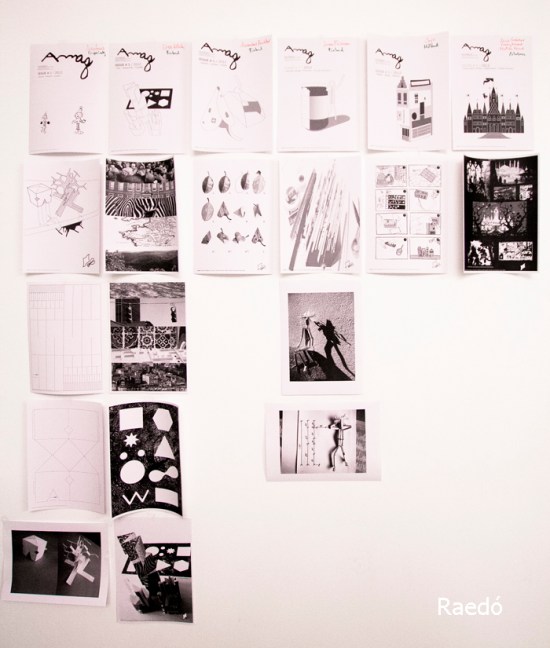
“Adventures in the Soviet Imaginary. Children´s books and graphic art”

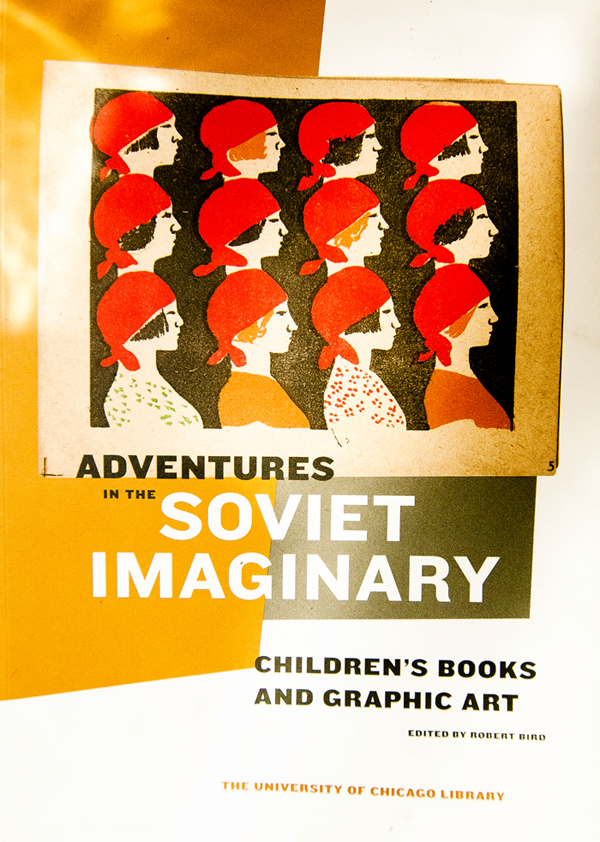
“Adventures in the Soviet Imaginary. Children´s books and graphic art” Edited by Robert Bird. Catalogue of the exhibition held in Special Collections Research Center, Exhibition Gallery The University of Chicago Library_August 22, 2011- December 30, 2011.

Excellent website about the exhibition: http://www.lib.uchicago.edu/e/webexhibits/sovietchildrensbooks/

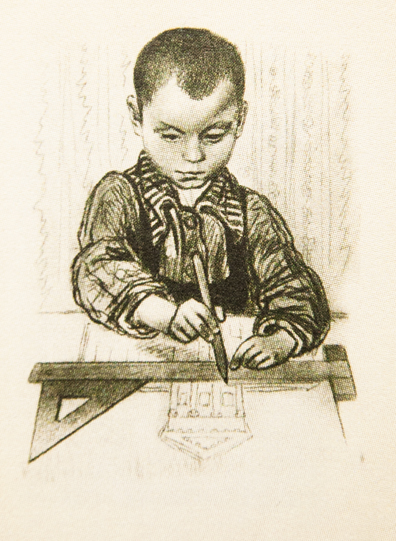
Amag! learns from these books, mainly with do-it-yourself books… “Compared to other children’s books, do-it-yourself books often encouraged young children to view themselves as responsible adults and engaged citizens.”

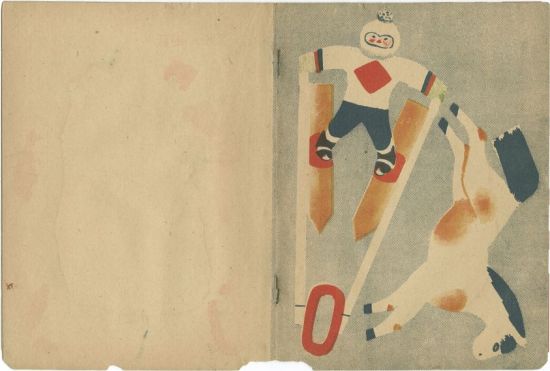
1/ Cover catalogue
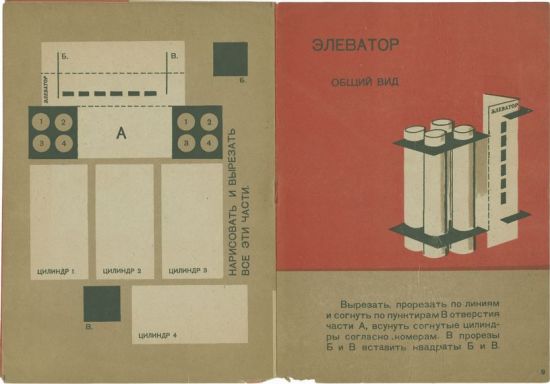
2/ This book shows how to make models of various industrial buildings out of cardboard. This page gives instructions for making a cardboard grain elevator.
3/ This book consists of paper dolls and toys that children can cut out and assemble at home.
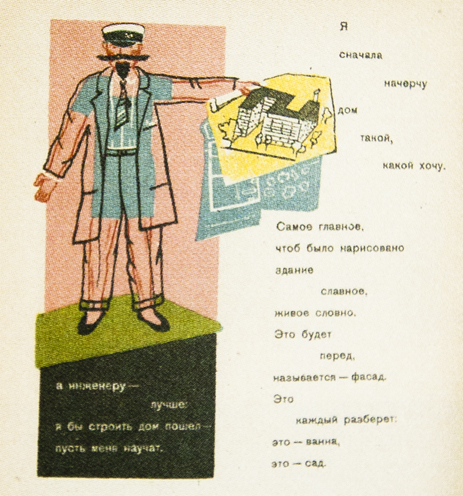
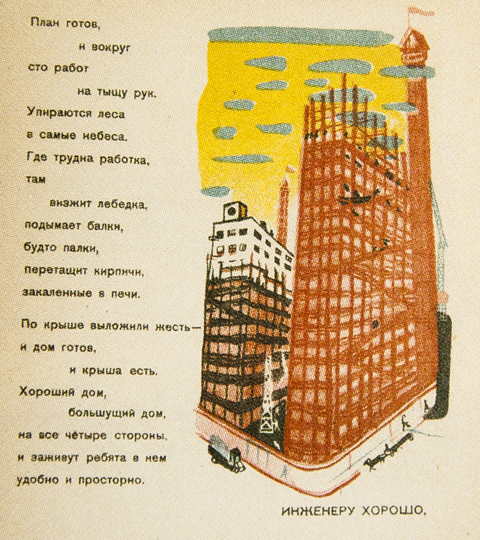
4, 5/ Vladimir Mayakovsky. Kem byt’? (Whom Shall I Be?). Illus. by Nisson Abramovich Shifrin. Moscow: OGIZ, Molodaia gvardiia, 1932. 4th ed.
6/ Vladimir Mayakovsky. Kem byt’? (Whom Shall I Be?). Illus. by A. Pakhomov. Moscow, Leningrad: Gosudarstvennoe izdatel’stvo detskoi literatury, 1947.


Amag! at Skidit Festarit_Helsinki, Finland

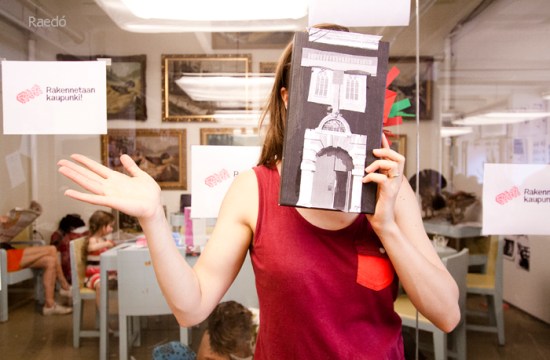
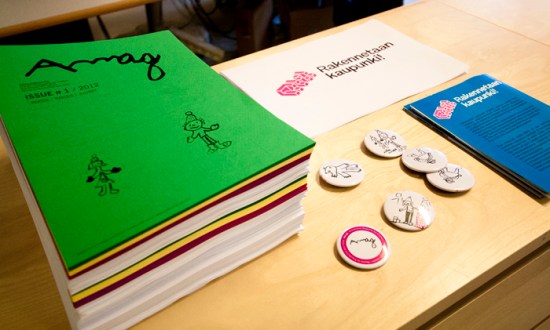
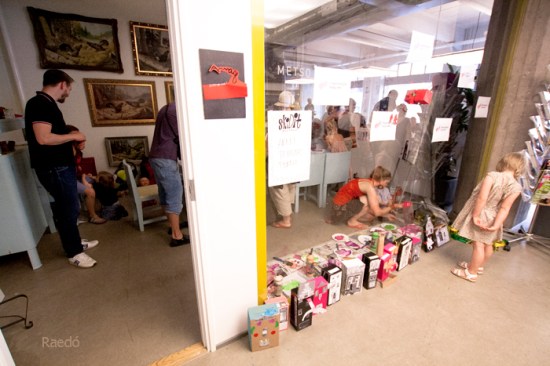
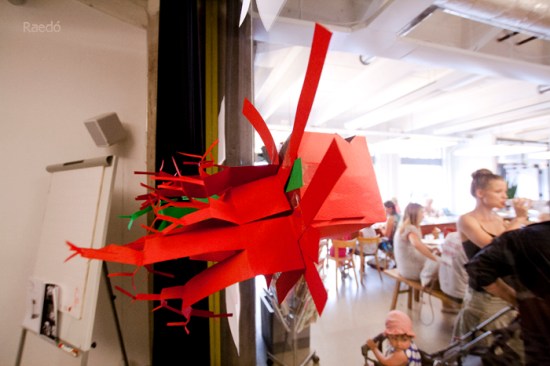
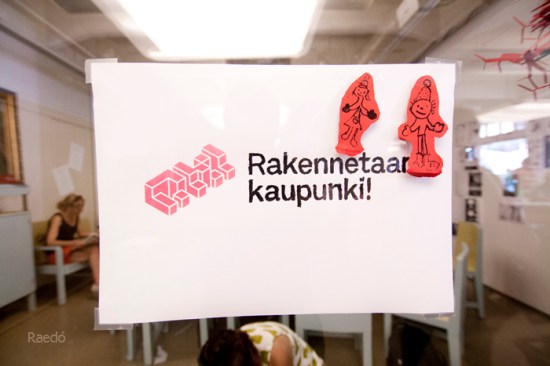
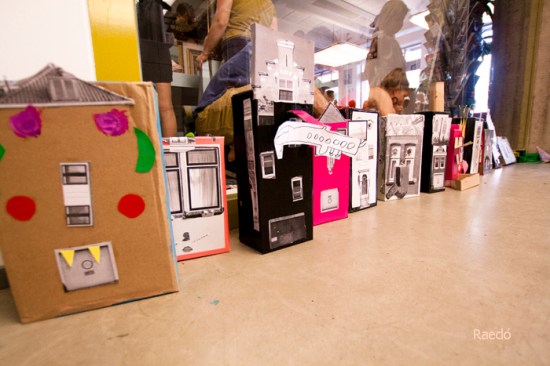
“Rakennetaan kaupunki!” presented “Amag! Architecture Magazine for Children” at Skidit Festarit_Helsinki (Finland), July 29th 2012. Maria Nordin and Jorge Raedó led the workshop.   www.rakennetaankaupunki.fi , www.skiditfestarit.fi

“Rakennetaan kaupunki! / Building the city!” is a children’s architecture opera premiering in March 2012. Opera performers, set and costume designers are Kaisaniemi Primary School 4th graders. The project is done in collaboration with the Museum of  Finnish Architecture of and is part of the Helsinki World Design Capital year 2012. The new opera production will be in Seinäjoki; Premiere in April 2013.


Interview with Squag.com

Squag (Canada) is a curated space for kids on the autism spectrum and other exceptionalities to build ideas about themselves to share with their parents and peers.  https://www.squag.com/1901/  

Architecture for Kids

Please tell us about Amag.

Jorge Raedo: Amag an architecture magazine for children 5-10 years old. It is a free Open Educational Resource.

The idea germinated in Helsinki. Architects Carlos and Anabel Maushaus are the editors. They make the website and graphic design and I am the director. The issue “2012″ is made by twelve articles by professionals in architecture education for children and youth from all over the world.

Amag was created not to be read, but to be printed and played with. Playing with the two dimensional object (the paper) transforms it into a three dimensional experience. A text for teachers explains how to use the A4 (now in English, Spanish and Finnish). And a video shows how to play with the article.

What role do you think design plays in how kids learn?

Jorge Raedo: Design is to improve our day by day life. If a child finds a solution to build a stronger slingshot, she is doing design. If a kid makes a better way to arrive to school saving two minutes every day, he is doing design.

To think in a practical way is “to design” but beauty is an attribute of the practical objects and actions. If kids learn to think in that way they will be able resolve problems in a way that is practical, durable, and for the benefit of all.

Design makes our common and personal life better.

Architecture deals so much with the understanding of space and how it’s used. How do you translate these concepts to kids?

Jorge Raedo: Architecture is an art. The main tool we have to experience Architecture is the human body. Houses, cities, and landscapes are the consequences of the movements of our bodies, of our desires, strengths, weaknesses and nobleness.

When we teach art we teach both technique and passion for our profession.

The techniques of Architecture are useful to build houses, to create spaces, and to order the territory. They allow us to understand the materials around us, to measure them, and to model it to be useful for our needs.

The passion for the profession translates the respect for tradition and ancestors, for the effort and study, for the research and freedom in the process of creating.

How do you think this basic understanding helps them to find their own place (in space) each and every day?  

Jorge Raedo: We help them to develop their spatial thinking. The movements of our body impact our brain second to second; the spatial thinking is a consequence of all our movements. That is why dance is essential for kids.

We should be able to show them professionals tool and techniques, but adapted for their age. How? By playing.

What else are you working on? Seems like you’ve got some really cool stuff in the works!

Jorge Raedo: I direct a project called Rakennetaan kaupunki! that joins opera and architecture, produced by Maria Nordin (architect) and Anna Rombach (conductor). Kids work for eight months during their school year to prepare an opera. We are preparing new operas with schools in Finnish cities. Two of the schools are for children with visual and hearing impairments.

I collaborate with the Helsinki Art Museum, Kiasma (Museum Of Contemporany Art), and Lastu School of Architecture For Children and Youth. In Spain I collaborate with Docomomo doing workshops of architecture for teachers of schools, and I am designing an International Encounter on architecture education in schools organized by ProxectoTerra.

I have other projects in my heart. I hope my brain will be able to make them.

The only way to improve arts education for children and youth is working together.

Thank you, SquagTM.
Article in Scalae.net

Scalae (Spain) is a scientific ideario, a publishing and agency on architecture documentation   http://www.scalae.net/noticia/temas-educacion-amag-la-revista-de-arquitectura-para-los-ninos

Amag, la revista de arquitectura para los niños

Jorge Raedó lo ha conseguido: una idea que quedó pendiente y que era necesaria, renace desde Finlandia, esta vez con la forma de una revista digital de arquitectura para quienes saben jugar: niños y niñas. Admisión libre

Una y otra vez, solo o en compañía, Jorge Raedó no ceja. Zaragozano por accidente, Jorge transita por el mundo como antaño lo hicieron las compañías de cómicos, en su carromato virtual, con sus espejos y disfraces.

Y, como buen arlequín, recuerda un amor que lo fué cuando quería ser feliz: la arquitectura. Redime su pena jugando donde la gente y los niños quieren jugar, mientras aprenden, o discuten, o reinventan, o pintan, o inflan, o pisan, o pegan, o sonríen… la arquitectura.

Ahora juega en FInlandia y desde allí nos escribe hablando de un nuevo lugar público: Amag!, a-magazine.org

…y desde el mediterráneo le enviamos recuerdos a la osa Matilda, que seguro acompaña a Jorge en un sitio tan al Norte, tan frio y de colores. A quienes leen esto: no dejar de revisitar los recuerdos en vídeo de Qué es Arquitectura?, que si no Matilda se pone muy muy triste. ¡Pero que mucho!

Hola Scalae!:

Tenía en la cabeza la idea de la revista de arq para niños desde 2009…

Ha cuajado en Helsinki… con colaboradores finlandeses, españoles… Y la colaboración imprescindible de Maushaus (Anabel y Carlos de Donosti)… envestidos “editores” de la Amag… ellos se ocupan de la web, de maquetar los artículos… están llenos de energía.

El equipo, los articulistas 2012 e instituciones que se comprometen a difundir la revista en sus ciudades, los he ido encontrando aquí y allá. Contamos con el superlativoProxectoTerra como aliado en los colegios gallegos. Las demás instituciones las verás en la web: https://a-magazine.org/que-es-amag/

Empezamos…

Confío en conseguir el interés y el apoyo de institución amigas de los niños, del juego, de la arquitectura, o de todo a la vez… como el Museo de Diseño de Finlandia, o… ¿?

Salud y buen humor
Jorge Raedó